
Blogs
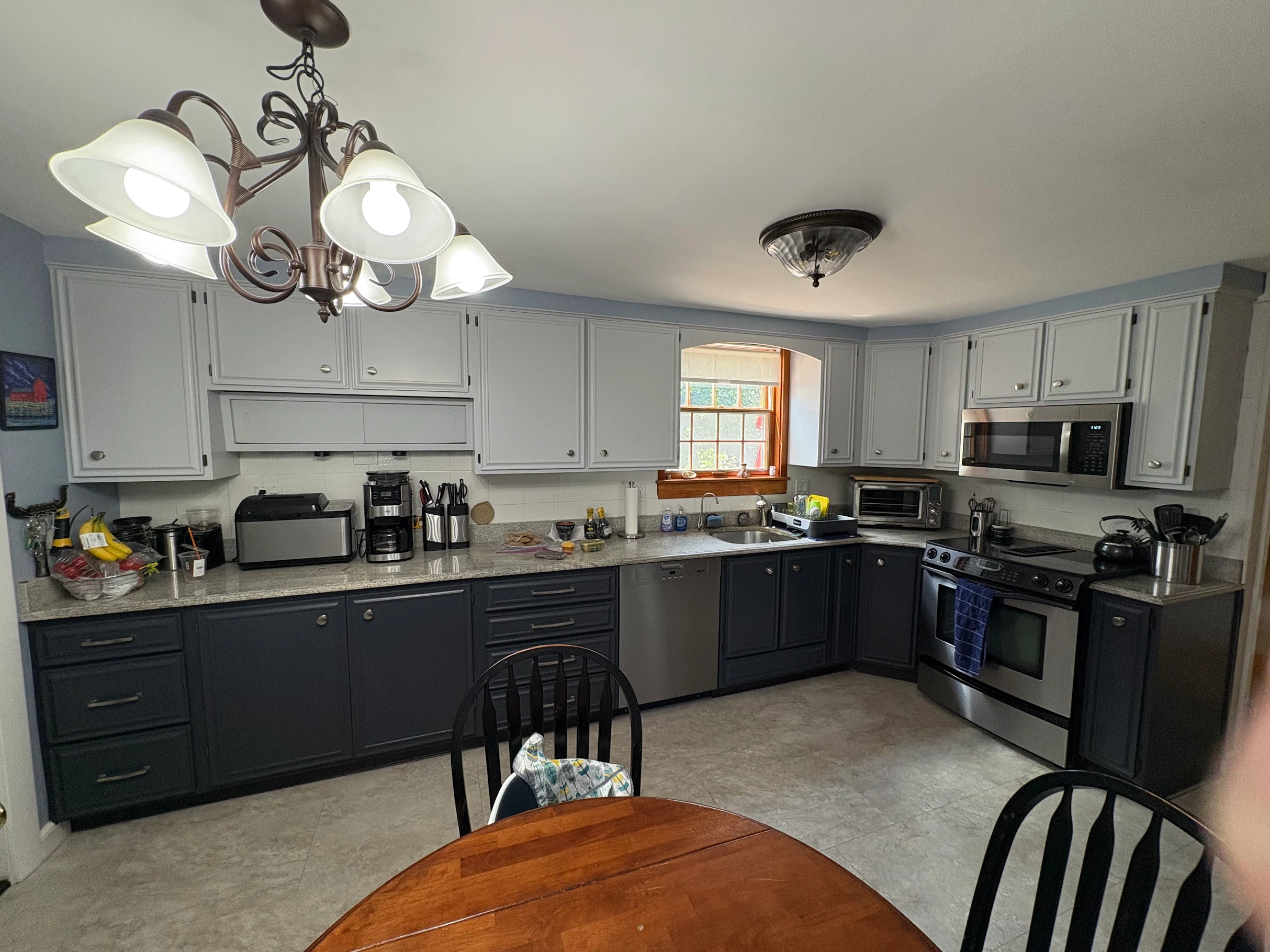
Kitchen Cupboard Painting Companies: How to Choose
Kitchen cupboard painting is an intensive, specialized trade that is fundamentally different from interior wall painting. Since cupboards are high-use, high-touch surfaces constantly exposed to grease, steam, and cleaning, they demand rigorous preparation and industrial-grade, hard-curing coatings. Choosing a company that specializes in cabinets is crucial for achieving a factory-smooth, chip-resistant, and long-lasting finish.
Masterpiece Painter provides professional-grade, multi-stage cabinet refinishing services that guarantee the durability and aesthetic quality of a cabinet replacement at a fraction of the cost.
Why You Might Hire a Specialist for Kitchen Cupboards
A specialist cabinet painter possesses the unique equipment and knowledge required to handle this demanding surface.
Cabinets Require Extra Prep, Special Coatings, and Hardware Removal
Standard house painters often use products and techniques suitable for walls (low-durability acrylics) and may skip necessary steps. A true specialist employs:
Industrial Degreasing: Removing years of embedded kitchen oils.
Specialized Primers: Using bonding or etching primers for flawless adhesion to smooth surfaces.
HVLP Spraying: High-Volume, Low-Pressure spraying equipment for a mirror-smooth finish without brush marks.
Hardware Management: Careful removal, labeling, and reinstallation of doors, hinges, and handles.
Durable Finishes Essential for High-Use Areas
The finished coating must withstand constant abrasion and cleaning. Specialists use products like waterborne alkyd enamels or conversion varnishes. These coatings cure harder than standard paints, creating a durable shell that resists scratching, chipping, and yellowing, ensuring the finish lasts for years.
What to Ask a Cabinet Painting Company
Use these questions to vet prospective contractors and ensure they follow professional standards.
Do They Remove and Reinstall Doors/Hinges?
A professional company must remove doors, drawer fronts, and all hardware. The best results are achieved when doors are transported off-site or sprayed in a sealed, ventilated on-site booth. Ask if they use new, professional-grade cabinet bumpers upon reinstallation and if they adjust hinges to ensure perfect alignment.
Are Surfaces Prepped, Primed, and Sprayed?
Demand a detailed outline of their process:
Prep: Must include heavy-duty degreasing and sanding (usually 180-220 grit).
Primer: Must use a high-adhesion bonding primer (1–2 coats).
Application: Must use HVLP or professional spraying equipment for the finish coats. Brushing the main door panels will not produce a factory-smooth finish.
What Coatings Do They Use and Is There Warranty?
Coatings: Ask for the specific product line and sheen (e.g., Benjamin Moore Advance, Sherwin-Williams Emerald Urethane Trim Enamel). This allows you to verify the product's quality.
Warranty: A specialist should provide a written warranty covering failure due to peeling or chipping (typically 3–5 years).
How Long Will the Job Take and What’s Included?
Understand the timeline. Cabinet jobs often take 5–10 days total, with the bulk of the time dedicated to off-site door preparation and on-site frame masking/spraying. Ensure the quote explicitly includes cleaning, masking, all materials, and the final hardware reinstallation.
How to Compare Estimates
Never compare bids based on price alone. A low price usually signals corner-cutting in the crucial preparation or material stages.
Material Quality and Inclusion of Primer/Topcoat
A high-quality estimate will specify a premium, dedicated cabinet product (e.g., a quart of which costs $30–$40) rather than a general trim paint. Verify they include a specialized primer and the required number of finish coats.
Number of Coats and Curing Time
A professional job requires at least two coats of primer (often one coat of bonding primer and one coat of high-build primer) and two thin coats of topcoat for maximum durability and deep color saturation. Ask about the required curing time (the time before the paint reaches maximum hardness, often 7–30 days) and how to handle the cabinets during this period.
Cleanup, Hardware Reinstall, Touch-Ups
Ensure the company takes responsibility for final cleanup, including removal of all masking materials and paint debris. They should also provide a small, labeled container of leftover paint for future touch-ups.
FAQs
“How long will cupboard painting last?”
A professional, multi-stage cabinet refinish using high-durability enamels and proper preparation should last 7 to 15 years before showing significant signs of wear. Longevity is highly dependent on how often the doors are used and how gently they are cleaned.
“Can laminate cabinets be painted?”
Yes, but it is highly challenging. Laminate (thermofoil) is non-porous and requires a specific, aggressive etching or chemical bonding primer to create any level of adhesion. While possible, the risk of chipping is higher than with solid wood or high-quality MDF.
“Is spraying better than brushing for cabinets?”
Absolutely, spraying is superior. Brushing leaves visible texture, which traps dirt and degrades faster. Professional spraying equipment atomizes the paint into a fine mist, resulting in a smooth, durable, factory-like finish that is easy to clean and aesthetically flawless.
Don't settle for anything less than a durable, factory-smooth finish for your kitchen.
Contact Masterpiece Painter today for a specialized cabinet painting consultation and estimate.

About Masterpiece Painter
For over 17 years Masterpiece Painter, has been serving communities all around New England. Let us help you make your wishes come true by turning your property into a Masterpiece
Get a Quote
Contact Us




© copyright 2023 All Rights Reserved.