
Blogs
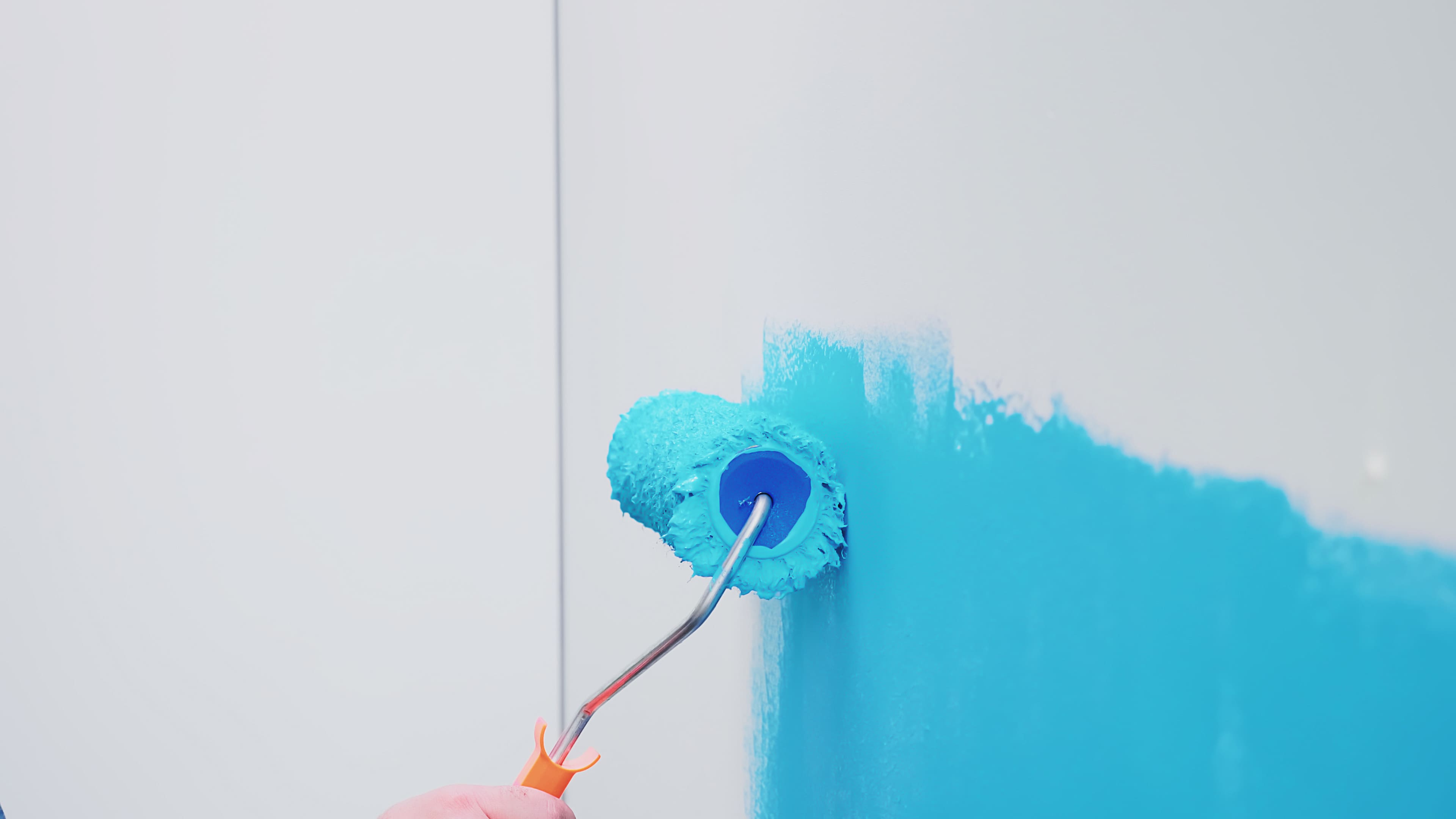
How to Paint Over High Gloss Paint? (Without Peeling)
High-gloss paint is prized for its durability and shine, making it a popular choice for trim, doors, and cabinets in American homes. However, those very qualities—a hard, slick, non-porous surface—make it a nightmare to repaint. If you attempt to apply a new coat of paint directly over a glossy finish, you will likely encounter "cissing" (where the paint beads up) or, worse, the new layer will peel off in sheets within weeks.
To achieve a professional result that stands the test of time, you must follow a specific preparation protocol designed to create "tooth" on the surface.
Quick Answer: You Must De-Gloss Before Painting
You cannot skip the preparation phase when dealing with high gloss. To get a new layer of paint to adhere, you must mechanically or chemically dull the existing shine. This process, known as de-glossing, transforms a slick surface into a receptive one. Without this step, the molecular bond between the old and new paint will be too weak to withstand everyday wear and tear.
Why paint won’t stick to glossy surfaces
High-gloss paints are formulated with a higher ratio of resin to pigment. When it dries, these resins create a glass-like shield that is intended to repel stains, moisture, and fingerprints. Unfortunately, this shield also repels new paint. Because the surface has no "pores" or texture, the new paint has nothing to "grab" onto. It essentially sits on top of the old paint rather than becoming part of a cohesive coating system.
Step-by-Step: Painting Over High Gloss
Following these steps in order is the only way to ensure your project doesn't result in premature paint failure.
Cleaning grease and residue
In many American homes, high-gloss paint is found in kitchens and bathrooms—areas prone to grease splatters and hairspray residue.
The Cleaning Agent: Use a solution of TSP (Trisodium Phosphate) or a TSP substitute mixed with warm water.
The Process: Scrub the surface thoroughly with a sponge or abrasive pad.
The Rinse: This is a crucial step often missed; you must wipe the surface down with clean water to remove any soapy film left behind by the cleaner. Any residue left on the surface will act as a bond-breaker for your primer.
Sanding vs. liquid deglosser
You have two primary options for breaking the gloss:
Mechanical Sanding: Using 180 to 220-grit sandpaper is the gold standard. You don't need to remove the old paint entirely; you simply want to scuff the surface until it looks dull and "cloudy." For large flat areas, a random orbital sander is efficient; for detailed trim, manual sanding sponges are best. Always wear a N95 mask to avoid inhaling fine dust.
Liquid Deglosser (Chemical Sanding): Often referred to as "liquid sandpaper," these chemicals are wiped onto the surface with a lint-free cloth. They chemically soften the glossy resin. This is a great choice for intricate woodwork where manual sanding is difficult. However, you must work in a well-ventilated area and apply the primer within the timeframe specified on the product label (usually within 30 to 60 minutes).
Choosing the right primer
Standard latex primers are often insufficient for high-gloss surfaces. You need a "high-adhesion" or "bonding" primer.
Oil-Based Primers: These are traditional favorites for their incredible sticking power and ability to block stains.
Water-Based Bonding Primers: Modern formulations (like those from major US brands like Zinsser or KILZ) offer lower VOCs and easier cleanup while providing exceptional adhesion to slick surfaces.
Shellac-Based Primers: The ultimate problem solver. Shellac sticks to almost anything and dries in minutes, though it has a very strong odor.
Applying the new paint correctly
Once the primer is fully cured, apply your topcoat in thin, even layers. Avoid "over-brushing," which can create ridges. If you are using a water-based topcoat over an oil-based primer, ensure the primer has had at least 24 hours to off-gas to prevent bubbling.
Best Paint Finishes to Use After High Gloss
Choosing your new finish depends on the desired aesthetic and the function of the room.
Satin
Satin is the most popular finish in the US for a reason. It offers a subtle glow that hides surface imperfections better than gloss, yet it remains scrubbable enough for hallways and kids' rooms.
Semi-gloss
If you liked the durability of the previous high-gloss finish but want something slightly more modern, semi-gloss is the way to go. It provides high moisture resistance, making it the standard for baseboards, window casings, and bathroom vanities.
Matte (when appropriate)
Matte or Flat finishes are excellent for hiding uneven walls or "flash" marks. However, they are porous. Only use matte over a previously glossy surface if you are painting a low-traffic area like a ceiling or a formal dining room wall where durability isn't the primary concern.
FAQs
Can I paint over high gloss without sanding?
Technically, yes, if you use a high-quality liquid deglosser and a specialized bonding primer. However, for the most durable results—especially on "high-touch" items like kitchen cabinets—a light scuff-sanding is always recommended as insurance against peeling.
What happens if I skip primer?
The paint may look fine initially, but it will lack "peel resistance." You might find that the paint scratches off with a fingernail or peels away when you remove a piece of painter's tape or a holiday decoration. This is known as an adhesion failure.
How long should primer dry before painting?
While some primers are "dry to the touch" in 30 minutes, they haven't necessarily "cured." For a high-gloss conversion, it is best to wait at least 4 hours for water-based bonding primers and up to 24 hours for oil-based primers to ensure the chemical bond is fully established before adding the weight of the topcoat.

About Masterpiece Painter
For over 17 years Masterpiece Painter, has been serving communities all around New England. Let us help you make your wishes come true by turning your property into a Masterpiece
Get a Quote
Contact Us




© copyright 2023 All Rights Reserved.