
Blogs
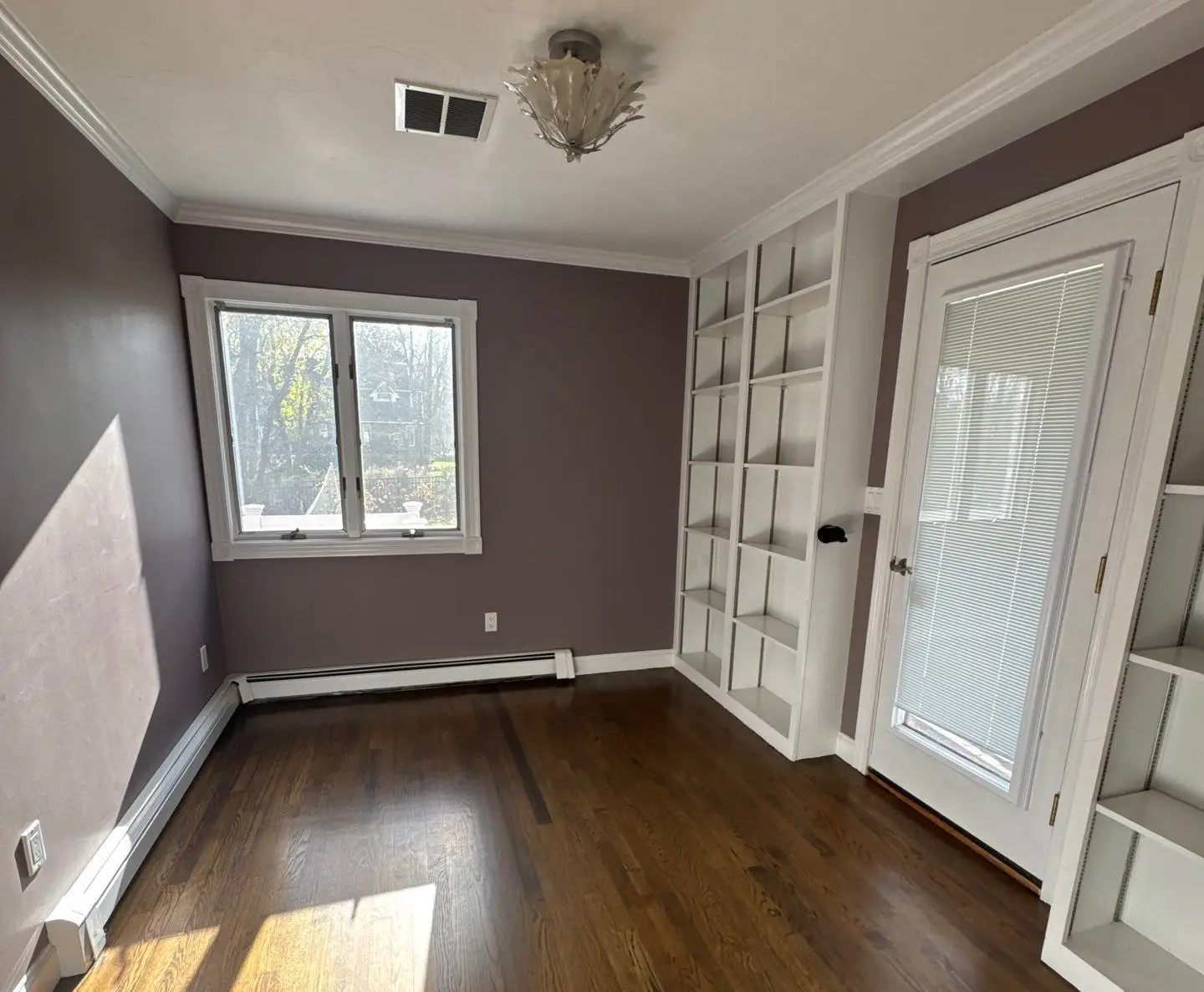
What Is Eggshell Paint? Finish, Uses & Pros
Eggshell is one of the most widely used paint finishes in residential and commercial interiors. It strikes a desirable balance between the chalky finish of a flat paint and the reflective gleam of a semi-gloss, making it a versatile and reliable choice for almost any room in the house.
Understanding the Eggshell Finish
The term "eggshell" is derived from its literal appearance—a subtle, low luster that mimics the delicate, nearly matte surface of an actual chicken egg.
Low-Sheen Appearance with Subtle Softness
Eggshell is characterized by a minimal gloss level, typically rating between 10 to 25 on the sheen scale. Unlike higher sheens (like semi-gloss or high-gloss) which are highly reflective, eggshell absorbs most light, giving walls a soft, approachable depth. However, when viewed at an angle, it reveals a very slight sheen, which is the key component providing its durability.
Why It’s Popular for Residential Interiors
For homeowners across the US, eggshell has become the default choice for general wall application for three main reasons:
Aesthetics: It delivers color richness without the distracting glare associated with highly glossy finishes.
Durability: Its slight sheen means the surface is tighter and less porous than flat paint, allowing for gentle cleaning without damaging the paint film.
Versatility: It is durable enough for moderate traffic areas while being subtle enough for formal living spaces.
Where Eggshell Paint Works Best
Eggshell is an excellent all-around interior finish, best suited for areas that see regular, but not constant, use and where aesthetics are paramount.
Living Rooms and Bedrooms
These areas are primarily low-traffic and focus on comfort and visual appeal. Eggshell’s soft, elegant finish enhances the decor and minimizes surface flaws (like minor spackle marks or texture variations) better than a satin or semi-gloss finish would. Its gentle reflectance provides a rich, deep color without overpowering the natural light.
Dining Rooms and Hallways
Dining rooms occasionally require cleanup due to scuff marks or food splatters. Hallways, while moderate in traffic, tend to collect more dirt and hand-prints. Eggshell provides the necessary barrier against moisture and allows for spot cleaning, making it a practical choice for these transitional spaces without sacrificing style.
Low-to-Moderate Traffic Spaces
The key is moderation. Eggshell performs beautifully where occasional, light cleaning is needed. It is a fantastic upgrade from flat paint in terms of longevity. However, for high-moisture, high-splatter zones (like kitchens and bathrooms) or areas requiring daily scrubbing (like utility rooms), a satin or semi-gloss finish will offer better moisture resistance and cleanability.
Pros and Cons of Eggshell Paint
Like any paint finish, eggshell has a specific set of benefits and limitations that influence where and how it should be used.
Easier to Clean Than Flat Paint
The primary advantage of eggshell over flat or matte paint is its washability. Because the pigment is protected by a slightly higher percentage of resins, the surface is less porous. This allows a damp cloth and mild soap to lift light stains, smudges, and scuff marks without lifting or rubbing off the paint color itself. Flat paint, by contrast, often absorbs stains and is easily damaged by scrubbing.
Less Forgiving Than Matte for Wall Flaws
The main drawback of eggshell is that the higher the sheen, the more reflections it creates, and reflections highlight imperfections. While better at concealing flaws than satin or semi-gloss, eggshell will still reveal more of the wall's texture, dents, and patch marks than a perfectly flat paint would. Extensive wall preparation (patching and sanding) is necessary before applying eggshell paint to ensure a professional-grade look.
Eggshell vs Flat vs Satin
Understanding the hierarchy of sheens is essential for selecting the right finish for the job.
Sheen Level Comparison
Sheen is a scale of light reflection, ranging from zero (no shine) to 100 (mirror-like shine).

Durability and Maintenance Differences
The increase in sheen directly correlates with an increase in durability and moisture resistance.
Flat: Least durable, most difficult to clean. Best for ceilings or walls with high texture imperfections.
Eggshell: Mid-range durability. Good resistance to light wiping. The preferred balance for general interior walls.
Satin: Higher durability and better moisture resistance. Often used in high-moisture areas like bathrooms and kitchens, or on wood trim that needs frequent wiping.
FAQs
Is eggshell paint washable?
Yes, eggshell paint is washable. Use a soft cloth or sponge, mild dish soap, and warm water. Avoid abrasive cleaners or aggressive scrubbing, especially during the first 30 days of cure time, as aggressive friction can still dull the finish.
Does eggshell paint show roller marks?
Eggshell paint is less likely to show roller marks (or "hatbanding") than shinier finishes like satin or semi-gloss, but it is not impossible. Roller marks are typically a sign of poor application technique, such as applying paint too thinly, overworking the wet paint, or using a poor-quality roller cover. With proper application, eggshell should look seamless.
Is eggshell good for homes with kids?
Yes, eggshell is an excellent choice for homes with kids. It provides the crucial washability needed to clean off crayon marks, fingerprints, and scuffs from walls (unlike fragile flat paint) while retaining a beautiful, low-luster aesthetic (unlike the shiny, institution-like look of semi-gloss). It offers the ideal compromise between functionality and appearance.
Get the Perfect Finish: Leave the Sheen Selection to the Experts.
Choosing the right sheen for the right room is essential for achieving a professional, long-lasting paint job. The experts at Masterpiece Painter guide you through the process, ensuring the perfect balance of durability, washability, and aesthetic appeal for your home.
Contact Masterpiece Painter today to schedule your consultation and guarantee a flawless finish.

About Masterpiece Painter
For over 17 years Masterpiece Painter, has been serving communities all around New England. Let us help you make your wishes come true by turning your property into a Masterpiece
Get a Quote
Contact Us




© copyright 2023 All Rights Reserved.