
Blogs
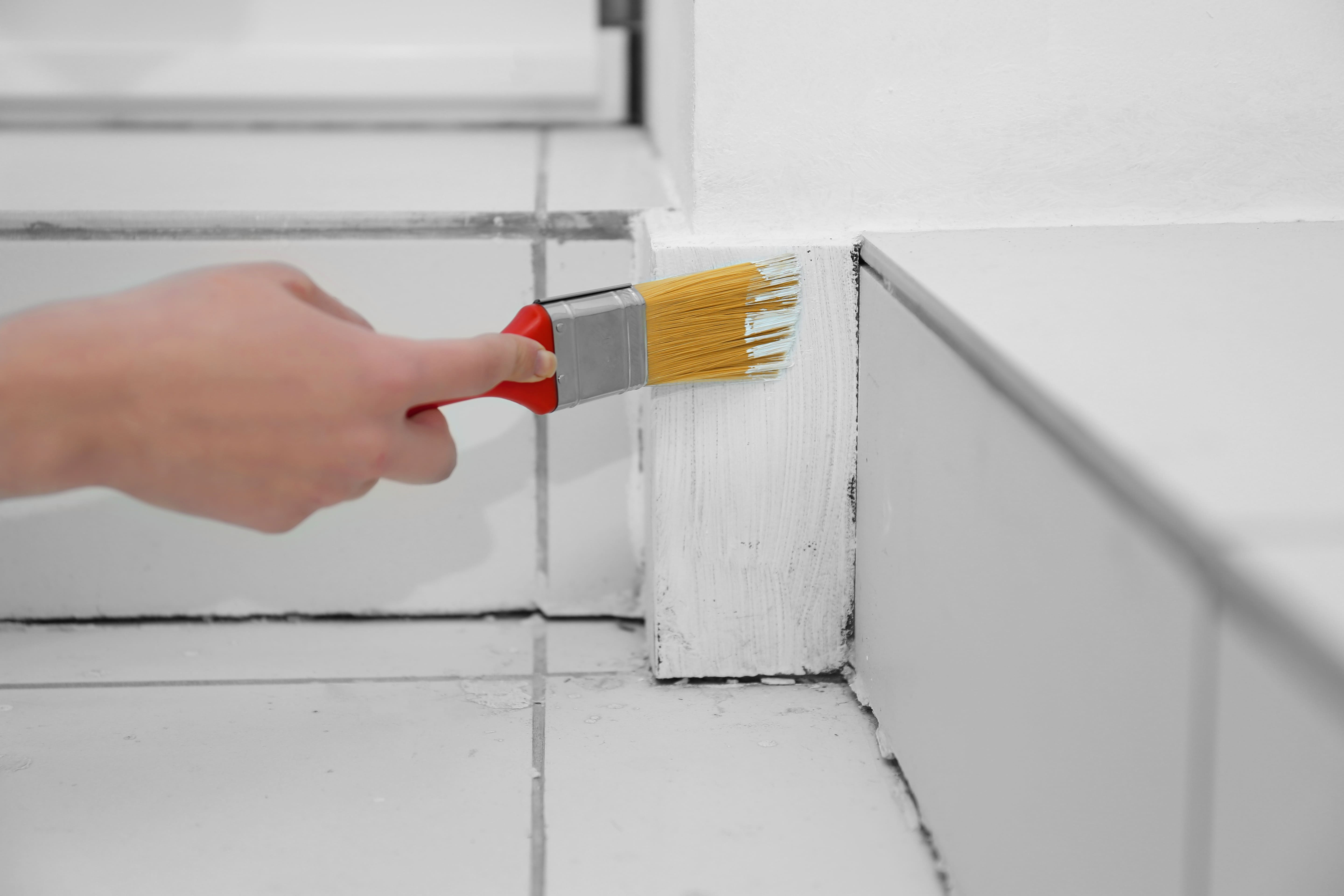
What Paint to Use on Tiles | Best Tile Paint by Room
Painting tile is a cost-effective alternative to a full demolition and replacement, but it is one of the most technically demanding DIY or professional painting projects. Because tile is non-porous and often glazed, standard latex paints will slide right off or peel within weeks. To achieve a high-end, durable finish, you must understand the chemistry of adhesion and the environmental demands of each room.
Quick Answer: Use a Tile-Specific System (Primer + Paint) for Adhesion
The most reliable way to paint tile is to use a two-part epoxy coating or a high-performance bonding primer followed by a modified alkyd or urethane enamel. ### Why adhesion is the #1 issue on tile
Tile is designed to be "non-stick" so that dirt and water wipe away easily. This same quality makes it a nightmare for paint. Without proper mechanical and chemical bonding, the paint sits on the surface rather than "biting" into it. If the bond is weak, moisture will eventually get under the paint film, causing it to bubble and peel.
Best Paint Options by Location
The "best" paint depends entirely on what the tile has to endure—grease, steam, standing water, or extreme heat.
Kitchen Backsplash Tile
Backsplashes face splatters of grease and acidic foods.
Recommended: A high-quality Waterborne Alkyd Enamel.
Why: These paints provide the hardness of an oil-based paint (resisting scrubbing) but are low-VOC and easy to clean up. They offer excellent leveling, so you won't see brush marks on your smooth tiles.
Bathroom Wall Tile (Moisture Exposure)
Bathroom walls deal with high humidity and intermittent water contact.
Recommended: Urethane Acrylic Enamel.
Why: Urethane provides a "tough-as-nails" finish that resists the softening effects of steam. It is much more flexible than standard paint, allowing it to expand and contract with the tile as temperatures change during a shower.
Shower Tile (High Humidity & Standing Water)
Painting inside a shower is the most difficult tile project.
Recommended: Two-Part Tub & Tile Refinishing Kit (Epoxy).
Why: This isn't technically "paint"—it’s a chemical resin. Once mixed, it creates a waterproof, glass-like surface. Traditional paints will fail in a shower environment; only epoxy-based systems can withstand constant submersion and the chemicals found in soaps and shampoos.
Fireplace Tile (Heat Considerations)
The face of a fireplace gets warm, but generally not hot enough to require industrial "High-Heat" engine paint (which usually comes in limited colors).
Recommended: Premium Acrylic or Oil-Based Enamel over a Heat-Resistant Primer.
Why: Most high-quality architectural paints can handle temperatures up to 200°F. However, if you are painting the inside (firebox), you must use specialized heat-resistant paint rated for 1000°F+.
Step-by-Step: Prep That Makes Tile Paint Last
In tile painting, prep is 90% of the work. If you skip a step here, the paint will fail.
1. Degrease + Degloss/Scuff Sand
First, scrub the tile with TSP (Trisodium Phosphate) to remove every trace of soap scum or grease. Next, you must "scuff sand" the glaze using 120–220 grit sandpaper. You aren't trying to remove the glaze, just taking the "shine" off to create a "profile" for the primer to grip.
2. Bonding Primer
Never use a standard "all-purpose" primer. You need a High-Adhesion Bonding Primer (often labeled specifically for glass, tile, and laminate). These primers are formulated to stick to slick surfaces that nothing else will.
3. Thin Coats + Full Cure
Apply two thin coats rather than one thick one. Most importantly, follow the cure time on the label. While the paint may feel dry to the touch in two hours, it can take 7 to 14 days to fully "cure" (reach maximum hardness). Avoid scrubbing or exposing it to heavy steam during this window.
Common Failures (And How to Avoid Them)
Peeling: Usually caused by painting over soap scum or failing to sand the glaze. Solution: Use an organic degreaser and don't skip the sandpaper.
Chipping on Floors/Edges: Tile paint is great for walls but struggles on floors due to foot traffic. Solution: Use a clear polyurethane topcoat specifically rated for floors if painting floor tile.
Yellowing/Staining: In kitchens, grease can seep through cheap paint. Solution: Use a stain-blocking primer and a high-gloss topcoat that is easy to wipe down.
FAQs
What’s the best paint for ceramic tile?
For most decorative ceramic tiles, a Urethane Alkyd Enamel over a dedicated bonding primer is the gold standard for durability and aesthetics.
Can you paint porcelain tile?
Yes, but it is harder than ceramic because porcelain is denser and less porous. You must use a high-solvent bonding primer or an epoxy system for porcelain to ensure the bond holds.
Do you need to seal painted tile?
If you use a high-quality enamel or epoxy, a sealer is often unnecessary and can sometimes cause the finish to look cloudy. However, for floor tiles, a clear water-based urethane sealer can add an extra layer of protection against scratches.
Transform Your Space with Masterpiece Painter
Don't risk a peeling, bubbling mess by using the wrong products on your tile. At Masterpiece Painter, we specialize in high-performance coatings that turn dated kitchens and bathrooms into modern masterpieces. Our team understands the complex chemistry of bonding primers and epoxy systems, ensuring your "new" tiles look flawless and stay that way for years.
Ready to give your tile a professional facelift? Contact Masterpiece Painter today for a consultation and let us handle the precision prep and painting your home deserves!

About Masterpiece Painter
For over 17 years Masterpiece Painter, has been serving communities all around New England. Let us help you make your wishes come true by turning your property into a Masterpiece
Get a Quote
Contact Us




© copyright 2023 All Rights Reserved.