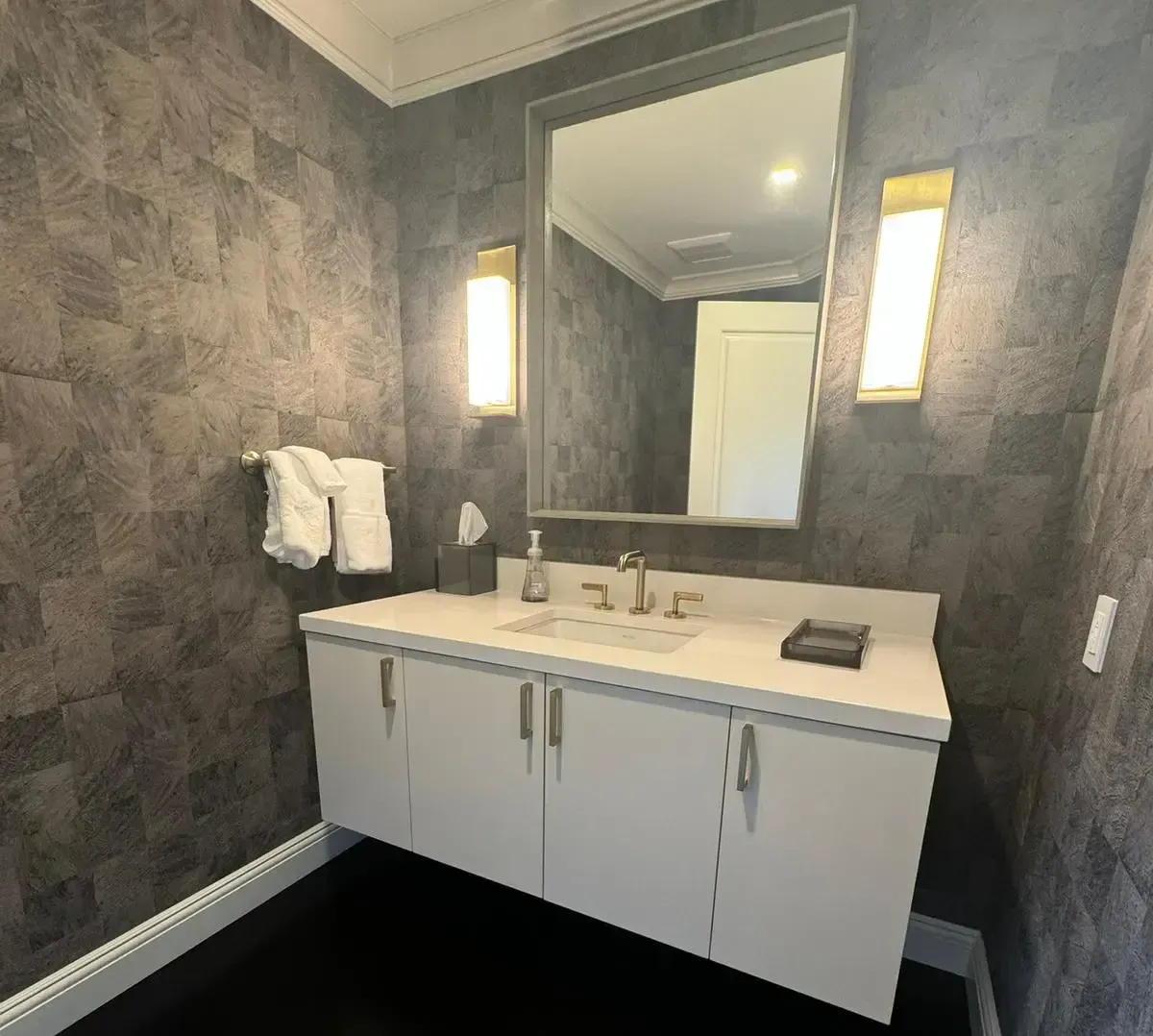
Best Paint for Bathroom Cabinets: Moisture-Resistant Options
Painting bathroom cabinets is one of the quickest ways to refresh a dated or worn-out space. However, bathrooms are high-stakes environments for paint due to constant moisture, heat, and condensation. Standard wall paint will fail quickly, leading to chipping, peeling, and potential mildew growth. Choosing the correct, durable enamel and primer is the single most important step for a professional, long-lasting finish.
Why Bathroom Cabinets Need Specialty Paint
Humidity, Condensation, and Frequent Cleaning
Bathroom cabinets are subjected to extreme fluctuations that require a tough, impermeable finish.
Steam and Condensation: Hot showers saturate the air, and moisture condenses directly onto cabinet surfaces. This constant exposure to water requires a paint film that is not porous and maintains its adhesion even when wet.
Temperature Swings: The cabinet material constantly expands and contracts. The paint film needs to be flexible enough to handle these shifts without cracking or peeling, especially around joints and seams.
Frequent Cleaning: Unlike kitchen cabinets, bathroom cabinets are often exposed to high-pH cleaning agents (bleach, heavy disinfectants) used to clean sinks and countertops. The paint must be chemical-resistant to prevent etching or dulling.
Why Wall Paint Fails on Cabinetry
Wall paint (typically flat or eggshell latex) is designed to be breathable and easy to touch up—characteristics that make it unsuitable for high-wear, high-moisture surfaces.
Soft Film: Standard interior latex paint cures to a relatively soft film that scratches easily and offers little resistance to constant rubbing or impact.
Porosity: Wall paint is porous, allowing moisture to seep into the cabinet material (MDF, wood, veneer), causing it to swell and eventually forcing the paint to lift and peel.
Adhesion: Wall paint lacks the specialized resins necessary to "bond" to slick, non-porous cabinet surfaces like factory finishes or high-density woods.
Best Paint Types for Bathroom Cabinets
For maximum durability and moisture resistance, you need a high-quality enamel designed specifically for cabinets and trim.
Water-Based Cabinet Enamels (Durable + Lower Odor)
This is the top recommendation for most DIY painters today. Modern water-based acrylic enamels (often labeled as Urethane Modified Acrylics or Alkyd-Modified Acrylics) offer the best combination of performance and user-friendliness.
Pros: They are easy to clean up with water, low in volatile organic compounds (VOCs) resulting in less odor, and dry quickly. Their key advantage is their durability: they cure to a hard, furniture-like finish that resists blocking (sticking) and humidity better than traditional latex.
Top Use: Best for solid wood, veneer, or previously painted cabinets, especially in small, poorly ventilated bathrooms where low VOCs are important.
Oil-Based Options (When Pros Still Use Them)
Traditional oil-based (alkyd) paints create the hardest, most durable film and offer superior adhesion. However, they come with significant drawbacks.
Pros: Exceptional durability, excellent flow and leveling (meaning fewer brush marks), and unmatched stain resistance.
Cons: Very high VOC content (strong, lingering fumes), requires mineral spirits for cleanup, and takes a significantly longer time to cure (weeks, not days), leaving the cabinets vulnerable to damage during the curing period.
Top Use: Reserved for high-end professional jobs or when refinishing extremely high-abuse surfaces, or when matching an existing, traditional oil-based finish.
Acrylic-Alkyd Hybrids and Why They’re Popular
Hybrid paints combine the best qualities of both water-based and oil-based chemistry. They are the best choice for achieving an oil-like hardness without the high VOCs or tough cleanup.
Mechanism: These paints are water-based but contain a small amount of alkyd resin. When the water evaporates, the alkyd molecules cross-link, creating a much harder, more durable finish than standard acrylic.
Benefit: They level almost as well as oil paints, minimizing brush or roller marks, and they achieve a faster, harder cure than pure acrylics, making them ideal for humid environments.
Best Sheen for Bathroom Cabinets
The sheen you choose impacts not only the look of the cabinet but also its performance and how easy it is to maintain.
Satin vs. Semi-Gloss
For bathrooms, avoid flat or eggshell sheens entirely. You must choose a satin or semi-gloss.
Sheen
Appearance / Finish
Durability and Maintenance
Recommendation
Satin
Soft, subtle luster; a low-sheen finish.
Durable, highly scrubbable, but shows subtle marks more than semi-gloss.
Aesthetic Choice: Preferred for a modern, muted look.
Semi-Gloss
Bright, shiny, reflective finish.
Maximum hardness, resilience, and water resistance; easiest to clean.
Performance Choice: Best for high-traffic or heavily used family bathrooms.
How Sheen Affects Cleaning and Highlights Imperfections
The glossier the finish, the easier the surface is to wipe clean and the less moisture it absorbs. However, there is a trade-off:
Cleaning: Semi-gloss is superior for cleaning; a simple wipe down removes soap scum, hairspray residue, and stains easily.
Imperfections: Higher sheens reflect more light, which means they dramatically highlight any imperfections, sanding marks, or dings in the cabinet doors. If your cabinets require extensive repairs, or if your prep work is imperfect, satin will be more forgiving.
Primer & Prep Recommendations
Prep is non-negotiable in the bathroom. Paint failure is almost always primer or prep failure.
Bonding Primers for Laminate/Thermofoil
For cabinets made of challenging materials like laminate, melamine, or thermofoil, standard primers simply won't stick. You need a specialty product.
Requirement: Use a high-adhesion or "bonding" primer. These contain aggressive resins designed to chemically grab onto super-slick, non-porous surfaces.
Process: After thoroughly cleaning (with TSP substitute or a degreaser) and lightly scuff-sanding the surface (180-220 grit), apply two thin coats of the bonding primer to ensure full coverage and maximum adhesion.
Stain-Blocking Primers (Water Stains, Tannins)
If your old cabinets have water stains, dark knots, or are made of natural wood like oak or cedar, you need a primer that seals.
Tannin Bleed: Wood tannins (natural dyes in wood) can bleed through water-based topcoats, leaving yellow or pink stains. Use a Shellac-based or high-quality Alkyd/Oil-based stain-blocking primer to lock these stains in.
Water Stains: The same stain-blocking primers will lock in old watermarks, ensuring they don't migrate up through your fresh, light topcoat.
FAQs
How long do painted bathroom cabinets last?
With proper preparation (degreasing and sanding), a high-quality bonding primer, and two coats of a cabinet-specific acrylic enamel (like a hybrid), you can expect the finish to last 7 to 10 years or more before showing significant wear. Failure is usually a sign of poor prep, not poor paint.
Can I paint cabinets without sanding?
While you may find "no-sand" primers, light sanding (scuff sanding) is always recommended, especially for bathroom cabinets. Scuff sanding with a fine-grit sandpaper (180 to 220 grit) mechanically creates micro-abrasions on the surface, which drastically improves the physical grip and adhesion of your bonding primer.
What’s the best paint for laminate bathroom cabinets?
For laminate (which is the slickest surface), the winning combination is: (1) Thorough degreasing + Scuff Sanding followed by (2) Two Coats of a High-Adhesion Bonding Primer followed by (3) Two Coats of a Urethane Modified Acrylic Enamel or Hybrid Paint in a Semi-Gloss sheen.
Ready to give your bathroom the durable, beautiful refresh it deserves? Contact Elite Home Finishers today for a free estimate on professional cabinet refinishing and guaranteed, high-humidity-resistant results!
