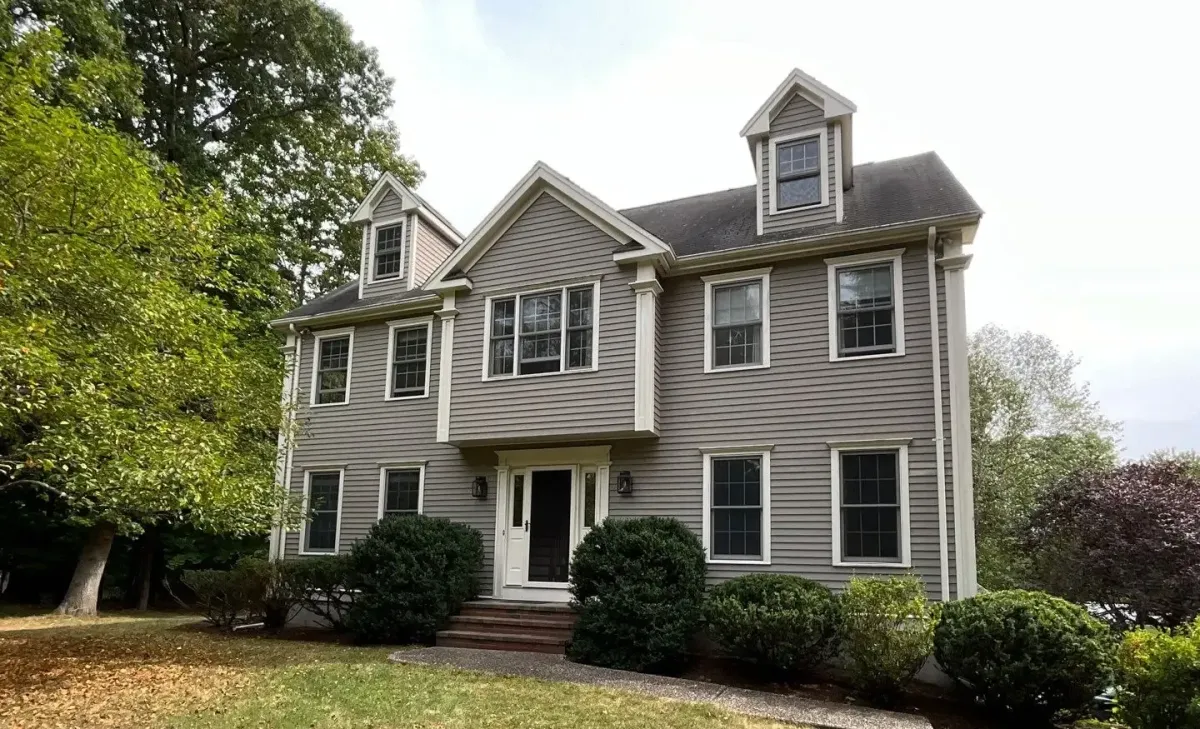
Commercial Painting Cost per Sq Ft: Pricing Guide
Commercial painting projects—covering offices, retail spaces, warehouses, or multi-family complexes—involve unique complexities that significantly affect pricing compared to residential work. The cost is not just about the surface area; it is heavily influenced by factors like height, accessibility, durability requirements, and the need to minimize business disruption.
Masterpiece Painter provides detailed, itemized commercial estimates that account for every variable, ensuring budgetary accuracy and superior finish quality.
Average Cost per Sq Ft
Pricing commercial painting by the square foot provides a useful benchmark, but this figure is highly variable based on project scope and location.
Typical Range: Interior vs. Exterior
In the US commercial market, painting costs generally fall into these broad ranges for labor and basic materials (excluding specialty coatings):

Industry Averages for Small vs. Large Spaces
Large Projects (e.g., Warehouse, Big Box Retail): Projects over 10,000 square feet often receive lower rates per square foot due to economies of scale. The prep and setup cost is distributed across a much larger area, making the unit cost cheaper.
Small Projects (e.g., Small Office Suite, Detailed Lobbies): These tend to be at the higher end of the range because the fixed costs of travel, mobilization, and specialized labor are amortized over a smaller total surface area.
Labor vs. Materials Breakdown
Typically, labor accounts for 75% to 85% of the total commercial painting cost, with materials (paint, primer, tape, paper) making up the remaining 15% to 25%. This high labor component reflects the intensive preparation, specialized application techniques (spraying large areas), and the setup/takedown of scaffolding or lifts required in commercial settings.
Factors That Impact Commercial Painting Costs
A precise estimate requires the contractor to evaluate four key non-paint-related variables.
Surface Type and Condition
The substrate dictates the necessary primer and preparation. Painting rough surfaces (like cinder block or highly textured drywall) requires significantly more paint and labor than smooth drywall. Surfaces with existing peeling paint or heavy mold/mildew require aggressive cleaning and scraping, increasing cost.
Prep Complexity
Commercial prep is often more complex than residential. It may involve:
High-level masking of sensitive equipment, fixtures, and large areas of flooring.
Power washing and chemical cleaning for exteriors.
Repairing large sections of damaged drywall or patching extensive masonry cracks.
Height and Accessibility
Height is the single biggest cost driver for commercial exteriors and high-ceiling interiors. Work requiring scaffolding, scissor lifts, boom lifts, or repelling equipment incurs significant rental costs, specialized operator licensing, and additional safety compliance time. Safety equipment and labor time increase geometrically with height.
Type of Paint and Coatings
Commercial projects often demand high-performance, specialized coatings:
Elastomeric Coatings: For concrete or stucco, providing flexibility to prevent cracking.
Epoxy/Urethane Coatings: Required for high-traffic floors, restrooms, or industrial facilities where chemical resistance and extreme durability are needed. These products are more expensive than standard architectural paint.
Additional Costs to Consider
A comprehensive commercial painting estimate will factor in the logistics and demands unique to business operations.
Safety Equipment and Lifts
Any project requiring elevated work will include line items for necessary equipment rentals (lifts, scaffolding) and the required safety gear, including harnesses and fall protection systems. These costs are mandatory for regulatory compliance.
Priming, Patching, and Repairs
If the building has extensive damage (water stains, damaged drywall, large cracks), the estimate should explicitly detail the cost for patching, skim-coating, and using specialized stain-blocking primers. Always ask for clear details on these preparatory steps.
After-Hours or Business Disruption Fees
Many commercial operations (retail, hospitality, offices) require painting to occur outside of standard business hours (nights or weekends) to avoid disrupting staff or customers. This schedule deviation results in higher labor rates and must be factored into the final estimate.
How to Get an Accurate Estimate
To ensure you receive a fair and accurate commercial quote, transparency and detail are key.
On-Site Evaluation
Never accept an estimate based solely on floor plans or satellite images. A reputable commercial painter must conduct an on-site evaluation to assess surface condition, access requirements, necessary repairs, and potential logistical challenges.
Itemized Quotes
A professional quote should be broken down into sections: Labor, Materials (paint specific), Equipment Rental (lifts, scaffolding), and Substrate Repair/Prep. This allows you to understand exactly what you are paying for and compare scope rather than just the final price.
Warranty and Service Quality
A commercial painting company should stand behind its work with a written warranty, typically covering peeling or product failure for 1–5 years. Inquire about their insurance coverage and references for similar-sized commercial projects.
FAQs
“Is commercial painting priced differently from residential?”
Yes. Commercial painting is generally priced higher per square foot than simple residential interiors due to higher insurance liabilities, the need for specialized equipment (lifts), more robust safety protocols, and the use of higher-performance industrial coatings.
“Do large projects get lower sq ft rates?”
Yes. Due to the economies of scale, the cost per square foot tends to decrease as the total square footage of the project increases. Mobilization, setup, and teardown costs remain relatively constant, so they are spread out over a larger area, reducing the unit rate.
“How long does a commercial job take?”
The duration varies widely, but commercial painting is fast-paced. A small office suite might take 2–3 days. A large retail space can take 7–14 days, particularly if work is restricted to night hours. The biggest time factor is curing time for specialized high-performance coatings (epoxies often require several days of cure time before the area can be put back into heavy service).
Need an accurate, comprehensive estimate for your next commercial property renovation?
Contact Masterpiece Painter today for an expert on-site evaluation and detailed commercial painting quote.
