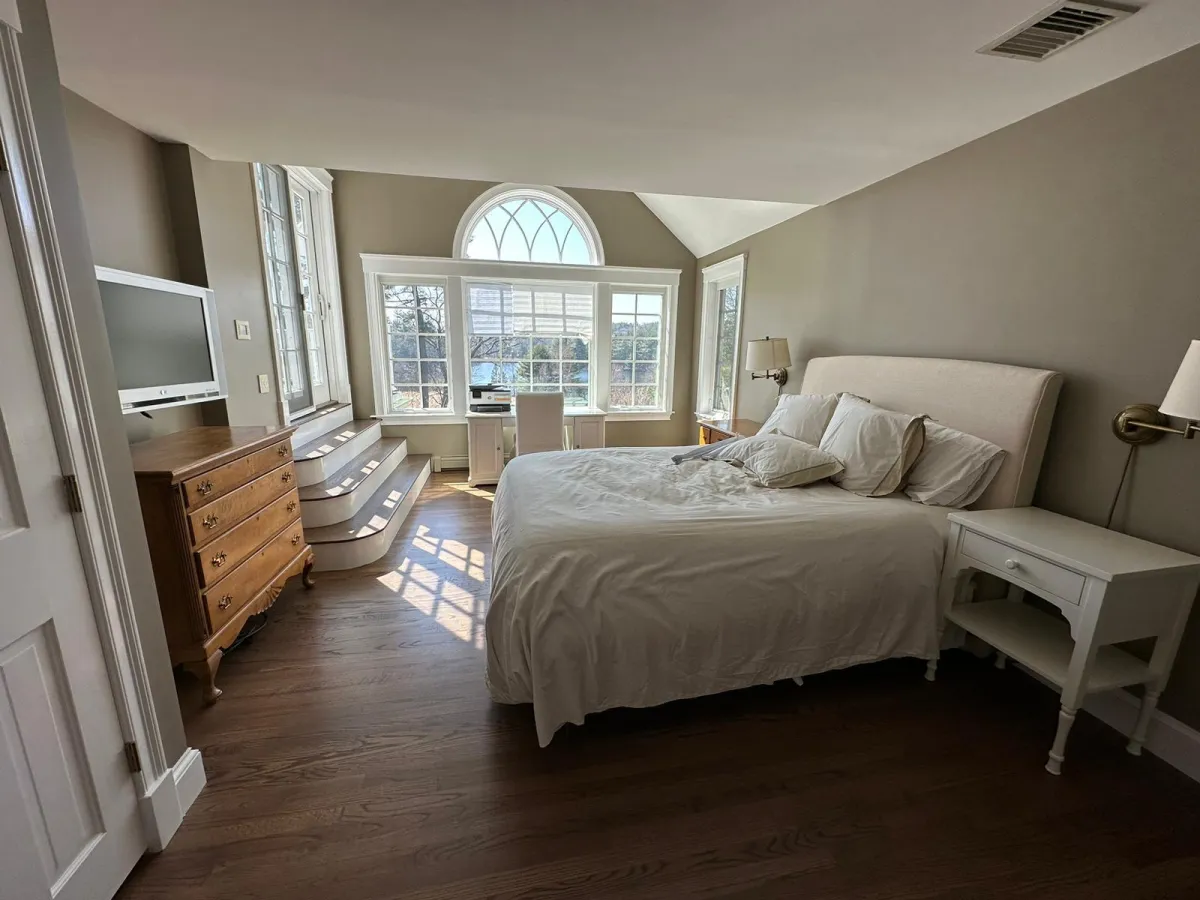
How to Match Paint Color Already on a Wall?
Whether you are repairing a small scuff, patching a hole from a moved picture frame, or trying to match a color from a previous homeowner, getting an exact match is one of the most challenging tasks in residential painting. Even if you have the original paint can, time and environment change how that color looks on your wall.
At Masterpiece Painter, we specialize in the art of the perfect match. This guide explains the professional methods used to identify existing colors and the technical reasons why a simple "eye-test" isn't enough for a seamless finish.
Quick Answer: Samples Beat Photos Every Time
The most important rule in color matching is: never rely on a smartphone photo. Cameras and screens distort colors based on their sensor settings and brightness. A photo of a "tan" wall might look yellow on a phone screen and grey in a paint store. To get a true match, you need a physical sample of the paint.
Why Lighting Affects Color Matching
This phenomenon is known as metamerism. Colors look different under different light sources. A color that matches perfectly under the LED lights of a hardware store may look completely different under the warm incandescent bulbs or natural sunlight in your living room. A physical sample allows the paint store's spectrophotometer (a color-reading computer) to analyze the pigment regardless of the ambient light.
Best Ways to Match Existing Paint
If you don't have the original paint can or the name of the color, follow these professional steps.
Cutting a Small Sample
The most reliable way to match paint is to provide a physical piece of the wall.
The Method: Use a utility knife to carefully cut a 1-inch by 1-inch square of the top layer of drywall (the paper) in an inconspicuous area, such as behind a baseboard or inside a closet.
The Repair: You can easily patch this small square with a bit of spackle and sand it smooth before painting over it with your new, matched paint.
Using Paint Store Color Matching Tools
Once you have your sample, take it to a professional paint store. They use a spectrophotometer, which shines a light on the sample and measures the wavelength of the reflected light. This allows the computer to generate a custom formula of tints to recreate that exact shade, even if the color was originally from a different brand.
Why Touch-Ups Sometimes Look Different
Even with a perfect color match, a "spot" touch-up can sometimes be visible. Here is why:
Paint Age and Fading
Paint is a chemical film that reacts to its environment. Over time, UV rays from windows cause "photo-degradation," which fades the pigments (especially in blues and reds). Oxidation can also cause white paint to yellow slightly. If you use the original paint from five years ago to touch up a wall today, the new paint will likely look darker or more vibrant than the faded wall.
Sheen Differences
If you match the color but get the sheen (gloss level) wrong, the touch-up will "flash." A flat paint touch-up on an eggshell wall will look like a dull smudge when the light hits it at an angle. Always try to match the sheen exactly—Flat, Matte, Eggshell, Satin, or Semi-Gloss.
Tips to Hide Touch-Up Marks
If you must do a touch-up, these professional techniques help "blur" the line between the old and new paint.
Feathering Edges
Instead of painting a sharp square around the repair, use a "feathering" motion. Start in the center of the repair and lightly flick the brush or roller outward as you move toward the edges. This thins the paint at the border, making the transition less noticeable to the eye.
Painting Corner-to-Corner When Needed
If a touch-up is still visible after it dries, the professional solution is to paint the entire wall from corner to corner. Because light changes at the corners of a room, your eye won't notice a slight color difference between two different walls, but it will always notice a mismatch in the middle of a single flat surface.
FAQs
Can paint be matched without a sample?
It is very difficult. Some apps allow you to use a "color leaf" or a small Bluetooth device (like a Nix sensor) to scan the wall, but these are still less accurate than a physical sample brought to a professional paint counter.
Does sheen matter when matching paint?
Yes. Sheen is just as important as color. A color match in a Satin finish will look completely different than the same color in a Flat finish. If you aren't sure, take your physical sample to the store; the staff can usually identify the sheen by looking at how it reflects light.
When is repainting the whole wall better?
If you have more than three or four touch-ups on a single wall, or if the paint is more than 5 years old, it is usually faster and more aesthetically pleasing to repaint the entire wall. This ensures a uniform texture and sheen across the whole surface.
Get a Flawless Finish with Masterpiece Painter
At Masterpiece Painter, we are experts in the science of color. Whether you need a complex color match for a historic home or a fresh new palette for a modern space, our team ensures that every transition is seamless and every finish is perfect.
Dealing with a difficult color match?Contact Masterpiece Painter today for a free estimate and professional color consultation!
