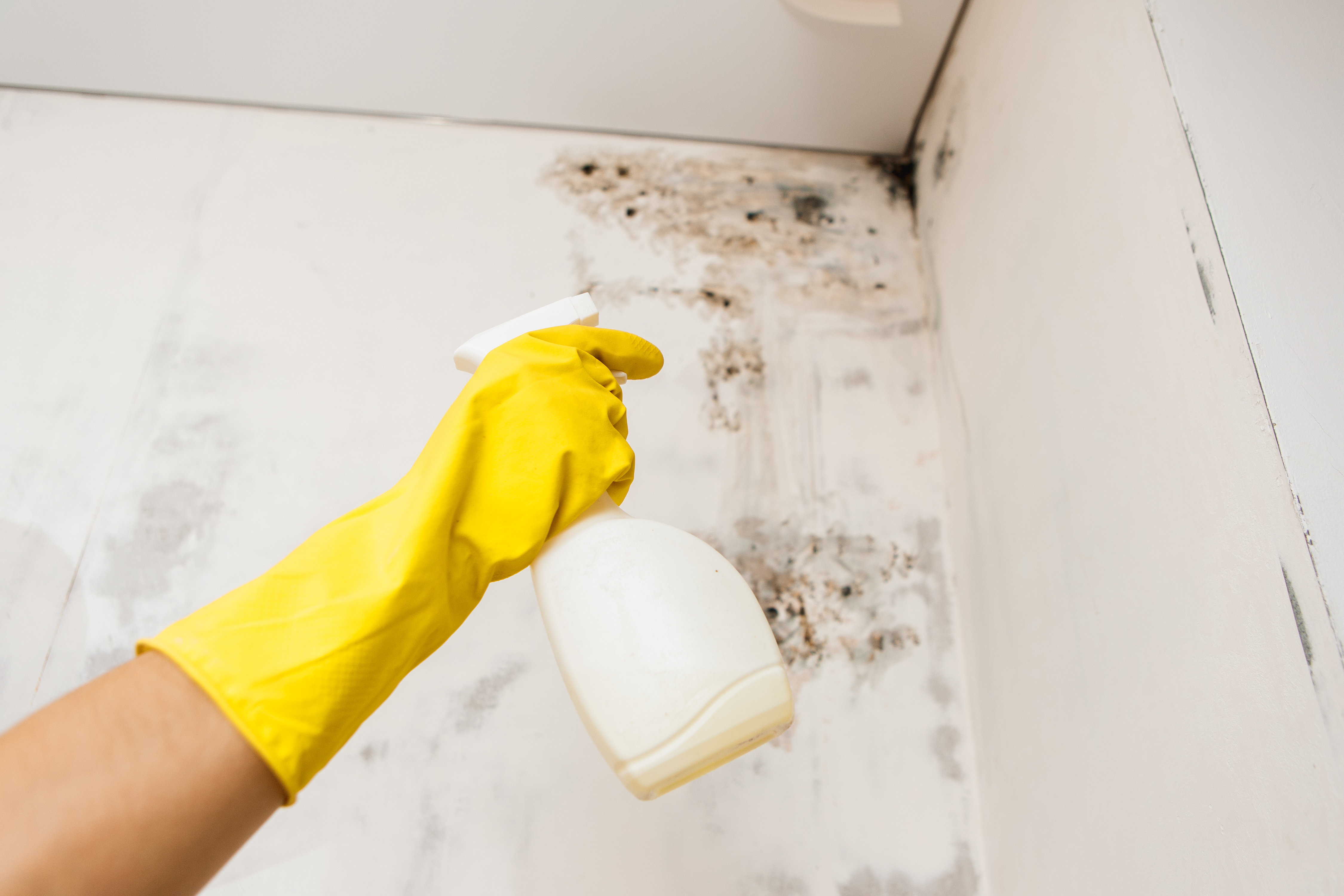
How to Remove Mold From Painted Walls Safely?
Discovering mold on your painted walls is more than just a cosmetic issue; it is a sign of a moisture imbalance in your home that can affect both your indoor air quality and the integrity of your paint job. Whether it is a small patch in a humid bathroom or a larger area in a poorly ventilated basement, addressing mold correctly is the first step toward a healthy, beautiful home.
At Masterpiece Painter, we know that you cannot simply "paint over" a mold problem. Proper remediation and surface preparation are essential to ensure your new coat of paint adheres properly and remains mold-free for years to come.
Quick Answer: Remove Surface Mold, Then Fix Moisture Issues
The most important thing to understand about mold is that it is a symptom of a larger problem: excess moisture.
Why Mold Comes Back if Moisture Remains
Mold spores are everywhere, but they only grow when they find a damp surface. If you clean the mold off your wall but do not address the leaking pipe, the high humidity, or the lack of ventilation that caused it, the mold will return within weeks. Painting over active mold is also futile, as the mold will continue to grow beneath the paint film, eventually causing it to bubble, crack, and peel.
Is It Mold or Mildew?
While the terms are often used interchangeably, there are distinct differences between these two types of fungi commonly found in American homes.
Visual Differences
Mildew: Usually appears as a powdery or downy white, gray, or yellowish patch. It typically grows in a flat pattern on the surface of the paint.
Mold: Often looks fuzzy or slimy and comes in darker colors like deep green, black, or dark brown. Mold is more invasive and can grow into the drywall substrate itself.
Smell and Texture Clues
Mildew often has a mild, musty smell, similar to damp socks. Mold, however, usually has a much stronger, pungent, and "earthy" odor. If the wall surface feels soft or "spongy" to the touch, the mold has likely moved past the paint and into the paper and gypsum of the drywall.
Step-by-Step Mold Removal
Before you begin, ensure the area is well-ventilated by opening windows or using fans.
1. Safety Precautions
Mold can trigger allergies and respiratory issues. When cleaning mold, you should always wear:
An N95 respirator mask to avoid inhaling spores.
Rubber gloves to protect your skin from cleaning agents.
Safety goggles to protect your eyes from splashes.
2. Cleaning Solutions That Work
Distilled White Vinegar: A great non-toxic option. It is acidic enough to kill approximately 82% of mold species. Spray it on, let it sit for an hour, and wipe clean.
Borax or Baking Soda: These are effective, natural cleaners that inhibit future growth without the harsh fumes of chemicals.
Commercial Mold Strippers: For persistent cases, use a dedicated mold and mildew remover found at most US hardware stores. Always follow the manufacturer’s instructions.
3. Drying and Ventilation
Once the surface is clean, it must be dried completely. Use a dehumidifier or high-powered fans. The wall should be dry to the touch and the moisture level in the room should be below 50% before you consider priming or painting.
When Mold Means a Bigger Problem
Stains That Bleed Through Paint
Even after cleaning, mold often leaves behind dark stains. If you apply standard latex paint over these stains, they will "bleed through" the new color. To prevent this, you must use a stain-blocking, antimicrobial primer (such as an oil-based or shellac-based primer).
Signs of Moisture Behind Drywall
If the mold reappears in the exact same spot shortly after cleaning, or if the drywall is bowing or crumbling, the moisture is likely coming from behind the wall (such as a roof leak or a pinhole pipe leak). In these cases, the affected drywall must be cut out and replaced before any painting can occur.
FAQs
Can you paint over mold?
No. Painting over mold does not kill it; it only hides it temporarily. The mold will continue to eat the organic material in the drywall and the paint itself, leading to a much larger and more expensive repair later.
Does bleach kill mold on walls?
While bleach kills surface mold and removes the stain, it is often ineffective on porous surfaces like drywall. The water in the bleach solution can actually soak into the drywall and provide more moisture for the mold roots to grow deeper. Vinegar is often a more effective long-term solution.
How do you prevent mold from returning?
The best prevention is ventilation. Install a high-quality exhaust fan in bathrooms, use a dehumidifier in basements, and ensure your home's gutters are clear so water moves away from the foundation. Using a high-quality "Moisture-Resistant" paint in humid rooms also provides an extra layer of protection.
Restore Your Home with Masterpiece Painter
Dealing with mold can be overwhelming, but you don't have to handle it alone. At Masterpiece Painter, we specialize in the deep preparation and specialized coatings required to restore mold-affected areas. From selecting the right antimicrobial primers to applying durable, humidity-resistant finishes, we ensure your home is beautiful, safe, and built to last.
Concerned about mold or moisture on your walls?Contact Masterpiece Painter today for a free professional evaluation and painting estimate!
